- CITY SERVICES
- CITY PROJECTS
- RFPs & Construction Bids
- Annual Paving Project
- Fletcher Cove Access Ramp
- Glencrest Sidewalks
- Glenmont Neighborhood Pocket Park
- La Colonia Park Master Plan
- Lomas Santa Fe Corridor Improvement Project
- Marine Safety Center Upgrade
- Neighborhood Traffic Management Program
- Playground Renovation Project
- Safe Routes To School
- Shoreline Project (Sand Replenishment)
- Santa Helena Neighborhood Trail
- PERMITS, LICENSES & RENTALS
- RESIDENT SERVICES
- -ENVIRONMENTAL SUSTAINABILITY
Compost the Core: Organics Recycling 101

Decomposing food makes up approximately 50% of U.S. landfill emissions and accounts for an estimated 17.4% of harmful methane emissions each year. Organics recycling keeps food scraps and other organic waste out of San Diego landfills, helping reduce landfill emissions while turning yesterday’s leftovers into nutrient-rich compost that can nourish your garden.
Hey Corey, what can be added to the green bin?
- grass clippings
- brush
- weeds
- hedge trimmings
- branches
- leaves
- flowers
- Halloween pumpkins
- Christmas trees (NO flocked trees)
- food scraps
- food-soiled paper
*Make sure to remove all stickers, rubber bands, twist ties, and packaging from items
Place recyclable organics directly into your designated green cart and do not use any kind of plastic bags, including certified compostable or biodegradable bags, as they contaminate EDCO's Anaerobic Digester! All organic material must be placed loosely inside the green cart for collection.
Unlined, unwaxed paper bags are acceptable.
What shouldn't be added to the green bin?
Please do not add:
- Plastic bags
- Bioplastic or "compostable" plastic bags or food service-ware
- Hazardous waste
- Animal waste
- Dirt, rocks, asphalt, concrete, sand, etc.
- Treated or lead-based painted wood or lumber

Still unsure about an item? Use EDCO's handy Where Does it Go? material search to find out.

Corey has a few Core Values that guide her everyday habits for creating a more sustainable kitchen and garden, and keeping food waste out of the landfill. Explore each Value below to discover simple, practical ways you can put them into action in your own daily life!
(STAY TUNED! Videos coming soon!)

Waste Less Food
Corey's advice: The best waste is the waste not created!
Wasting less food starts with everyday kitchen habits. Consider the following tips to benefit the environment, your kitchen, and wallet:
- Plan meals and shop with a list
- Store food properly so it lasts longer
- The door of the fridge is warmest, while the bottom is coldest
- Chop up and freeze fruits and vegetables before they go bad
- Use leftovers creatively
- Understand date labels and when food is still safe to eat
- Share or donate extra food when possible
- Compost unavoidable food scraps instead of sending them to the landfill

Sort Your Waste
Corey's advice: Sort your waste properly to ensure food scraps are going where they belong- back into the land as compost!
Scroll up to learn more about what goes in the green bin when organics recycling with our local waste hauler, EDCO. Minimizing contamination in the green bin allows organic waste to be effectively recycled.
Composting is simple when you follow these tips:
- Keep your kitchen compost bin handy when preparing food
- Line your compost bin with paper
- Wrap your food scraps in a dirty napkin or last week's newspaper
- Add yard waste and plant trimmings to minimize odors
- Keep your compost bin in the fridge or freezer, if you have space!
What happens to organic waste? EDCO converts organic waste to compost and gives it back to the community! Visit the Solana Beach Compost Hub at the Public Works Yard to pick up free compost.

Keep Organics In The Loop
Corey's advice: Contribute to the circular system of organics recycling!
When you recycle your organic waste (such as food scraps) in the green bin, you continue it's life cycle to become nutrients for the soil, that helps grow more plants, which makes more food!
Food > Food scraps > Organic waste > Compost > Soil > Plants > Food!
EDCO can even turn organic waste into renewable natural gas with their handy anaerobic digesters (learn more here). This gas powers the EDCO trucks that service your bins.
Whether you compost at home or with your green bin, it's important to give this material back to the earth instead of the landfill where it'll emit harmful greenhouse gas emissions.

Lead By Example
Corey's advice: These simple everyday actions make a big impact when we do them together!
Lead by example for your friends, family, and neighbors by:
- Encouraging organics recycling as a household habit
- Make a game out of quizing friends and family on their knowledge
- Gifting free kitchen caddies to those who don't have one
- Offer kind and helpful advise if a peer slips up
Share Corey's message and all her simple recycling tips with others to help your peers learn about proper waste sorting, food waste prevention, and the value of organic waste!
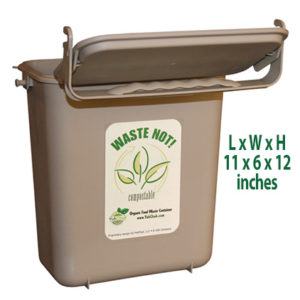
Guess what? Residents can request a free kitchen caddie to make composting even easier!
Food scraps including fruit, vegetables, meat, bones, dairy, eggshells, prepared food can all be collected in your kitchen before it continues it's journey to the green bin. Solana Beach residents can request a Kitchen Caddie (at the bottom of the linked page) to conveniently transfer food scraps from the kitchen to the organics cart or compost pile.
Corey's FAQs!
- What is organic waste?
-
Organic waste is any material that is biodegradable and comes from either a plant or an animal. Organic waste, including food and green waste, takes up the largest portion of waste in our landfills, making up between 40-50% (by weight) or our waste stream. When in landfills, organic waste decomposes to produce methane, one of the most potent greenhouse gases, along with other odorous and noxious gases. Reducing organic waste in landfills by food waste prevention, composting, and organics recycling reduces methane emissions, extends the life of local landfills, and creates valuable products such as renewable natural gas, fertilizer, mulch and compost.
- I don't have a green bin, how do I get one?
-
EDCO, the City's local waste hauler, provides a green cart to all residents, multi-family complexes, and businesses for organics waste collection. Use the green organics cart to separate materials such as landscape and pruning waste, non-hazardous wood waste, and organic materials such as food waste.
You may request additional carts through EDCO’s Contact Us form.
- Will my compost caddie or green bin attract pests?
-
A green bin or kitchen caddie that is properly utilized should not attract pests, including rodents and bugs.
You can prevent pests by maintaining a clean bin, ensuring a tight-fitting lid, storing the bin away from structures, and regular cleaning to reduce smells. Layering organic waste with cardboard, newspaper, or any other dry, fiber-based, compostable material, is a great way to maintain your bin as well. Empty your kitchen caddie into the green bin outside frequently and wash the interior each time to prevent any smell from building up.
- What happens to the organic waste in the green bin?
-
Waste in the green bin is taken to EDCO's Anaerobic Digestion (AD) Facility, which utilizes the natural process in which microorganisms break down organic materials such as food waste, green waste, fats, oils, and greases. Anaerobic digestion happens in closed spaces with no oxygen and converts organic material into Renewable Natural Gas (RNG) and fertilizer.
Recycling organics is easy and convenient with EDCO’s commingled organics recycling program. EDCO has expanded the source-separated green waste collection to include recycling food waste. The service allows customers to place food scraps in the same container as green waste.
- Am I able to receive the compost that EDCO makes?
-
Yes! The City hosts bi-annual Sustainable Recycling days, where EDCO provides free mulch for Solana Beach residents to self-haul/self load.
The next Sustainability Recycling Day will be held in the fall. Stay tuned!
